Tohoku, Japan’s northeastern hinterland, is home to rural landscapes, rich traditions and the production facilities of many of the world’s strongest companies. While many leading brands may be headquartered in Tokyo, they come to the Tohoku region to manufacture their products, benefiting from centuries-old traditions of craftsmanship.
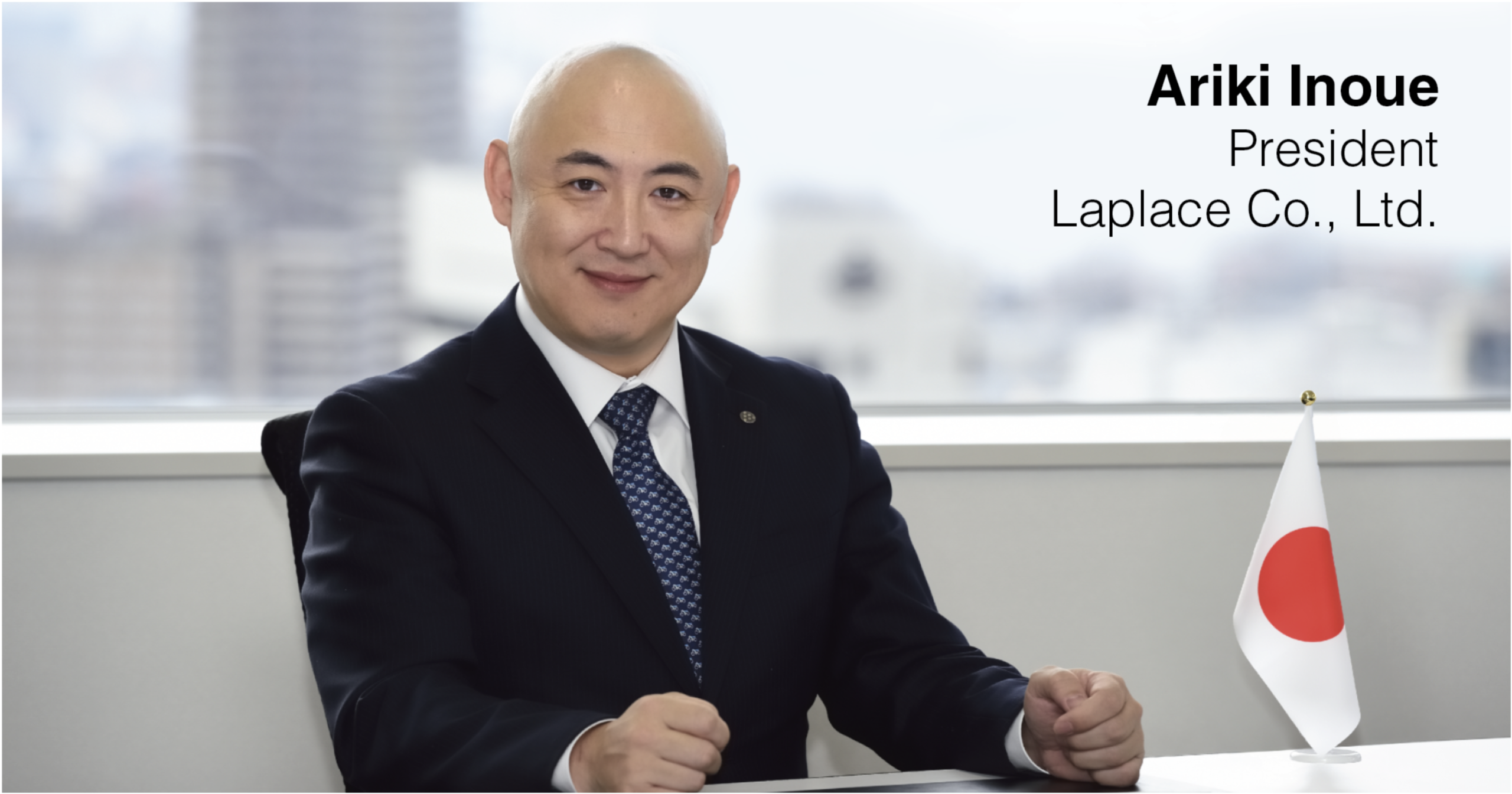
For over 150 years, Laplace, an industrial tool and component trading company, has been shaping the future of Japanese manufacturing. The company, based in Sendai and now led by its sixth-generation President Ariki Inoue, is proud to fly the flag for its corner of Japan. Founded during the Meiji era of industrialization, the company has been pivotal in connecting parts suppliers with discerning clients. The company’s roots in the area run deep. Originating in the Nihonmatsu domain of feudal-era Japan (modern-day Fukushima prefecture), founder Kisoji Inoue established the company in earnest in neighboring Sendai domain in 1868, entering the lucrative trade of selling and importing Western machinery. Over time, Laplace grew to become a catch-all provider of precision goods—ranging from popular watches and timepieces of the day to heavy machinery used in Japan’s rapid industrialization. Reflecting on the 150-year legacy of his company, Inoue notes that some things have remained the same throughout. “Our staff are familiar with local cultures and can connect on a deeper level,” he says. “The trust and understanding that we offer adds real value for end users and encourages new clients to choose Laplace.”
“Our clients are manufacturers and supporting them is our priority.
Ultimately, if they don’t succeed, neither do we.”
– Ariki Inoue
One issue currently facing the Tohoku region is its aging population and the migration of young talent to larger cities. Business and government leaders are looking for ways to unlock the region’s potential, from world-class research facilities to new industry partnerships. Inoue has several strategies in place to tackle these challenges. “We are combining productivity-enhancing technologies with inclusive employment policies that expand opportunities for seniors and people with disabilities. By standardizing skilled craftsmanship, we aim to elevate productivity across the entire industry,” he says.Integral to this strategy is Laplace’s fusion of technology with human talent. With a projected labor shortage of 3.84 million workers within the next decade, Laplace is committed to leveraging robotics and AI to build a sustainable future—one that avoids excessive reliance on importing workers. “We are integrating digitalized procurement systems with a robust network across the region, delivering stable and transparent end-to-end solutions to clients both domestically and abroad,” Inoue says.
Future plans include developing a “robot café” to showcase the company’s manufacturing technology, serving as a hub for like-minded innovators in the area. Despite technology often being viewed as a panacea, Laplace maintains a balanced approach that places people at its core. “While digital tools help us communicate our strengths, we firmly believe that the human touch and trust built by our sales representatives remain the cornerstone of our business—and the key to securing the next generation of talent,” he says. Inoue believes that Tohoku’s future lies in regional revitalization—a key strategy the Japanese government is pursuing in many rural areas. “Many young people hesitate to live in rural areas near factories, which adds to recruitment challenges,” he says. “It is essential to revitalize towns by focusing on the manufacturing industry, creating attractive living environments for young people who can get hands-on experience.” Overall, Inoue is optimistic about the times ahead. “Many international companies are turning their attention to Japan as a reliable partner. Our ultimate goal is to revitalize Japan’s manufacturing sector—helping the nation reclaim its global prominence,” he says.