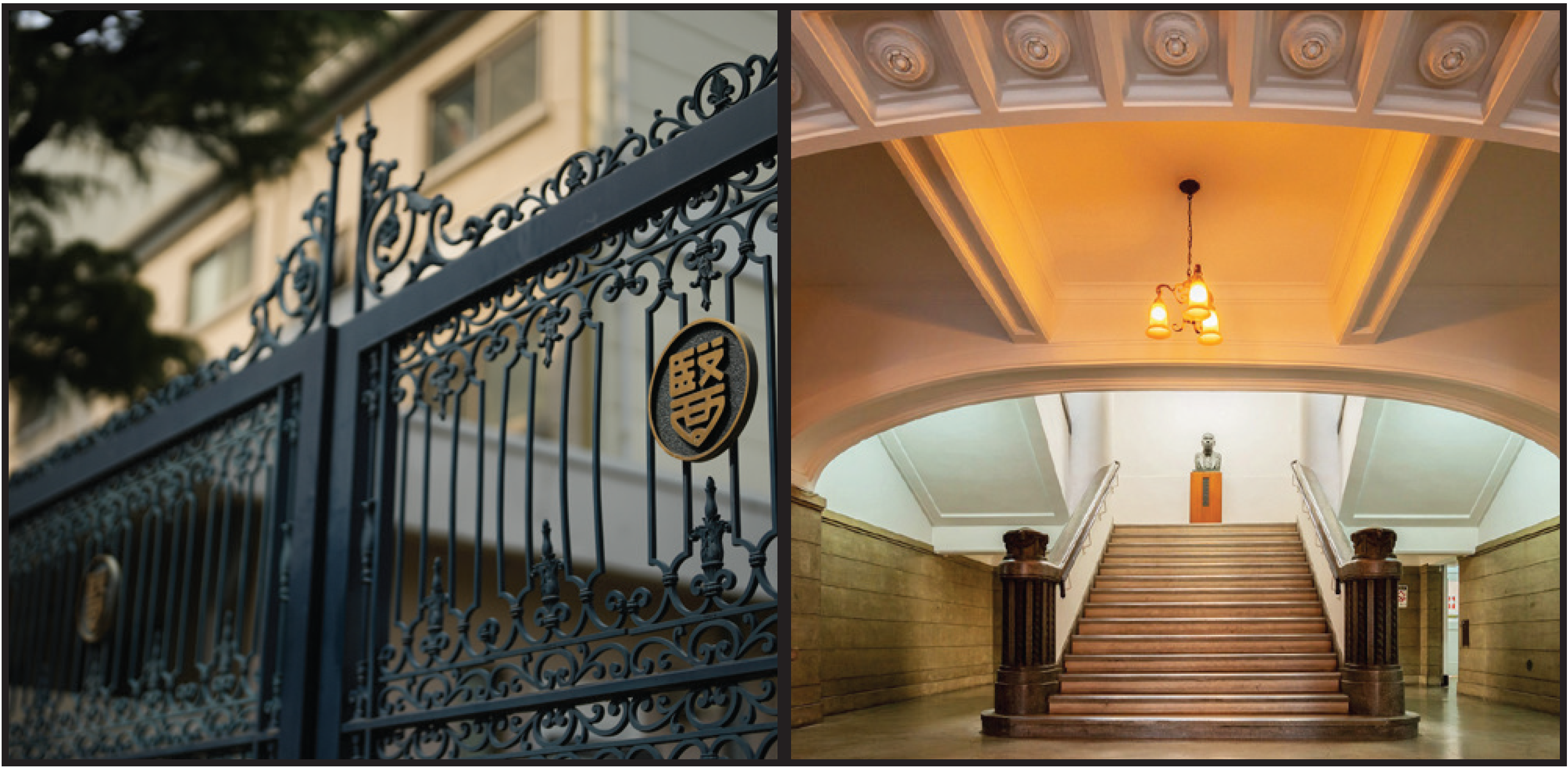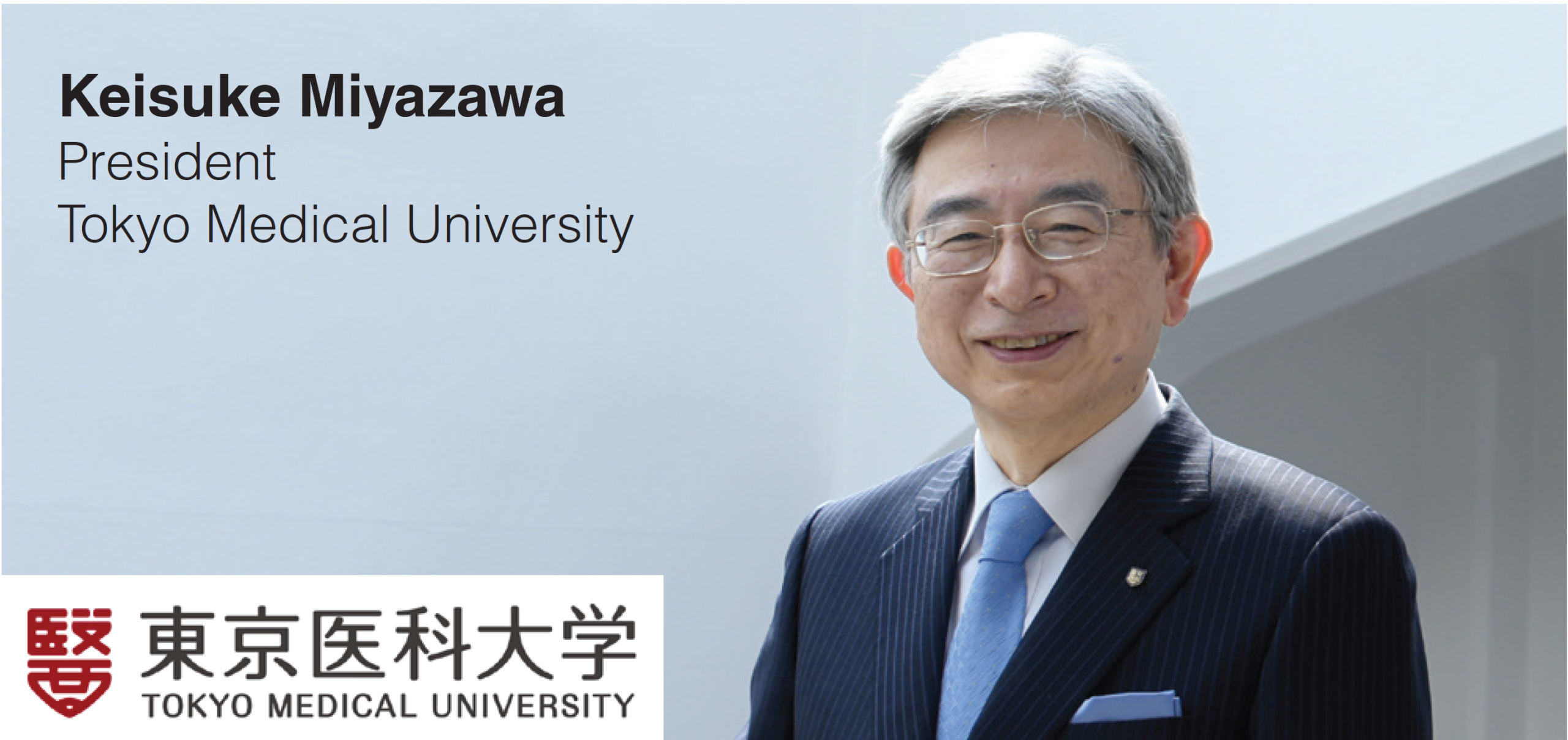
Founded in 1916 by students and intellectuals seeking an “ideal medical education,” Tokyo Medical University (TMU) has upheld that vision for over 100 years, blending academic rigor with practical training to support the local community. With Japan’s medical system consistently ranking best for patient outcomes, TMU President Keisuke Miyazawa, an expert in hematology and oncology, takes pride in the university’s service. “Physicians and nurses who dedicate themselves to serving patients embody a noble profession, and I consider them precious assets to society,” he said. “With a strong ratio of around 1.56 students per teacher, TMU enables students to develop solid clinical competencies under careful guidance.”
As the country faces imminent challenges from a rapidly aging population—with those over 65 expected to exceed 30% by 2030—Miyazawa is committed to enhancing the curriculum through “integrative” approaches. Partnerships with rural medicine providers in Okinawa and Niigata are one way TMU is doing this. “While urban university hospitals primarily focus on advanced medicine, we collaborate with local hospitals that demonstrate outstanding general clinical capabilities. Our students learn to treat patients as whole individuals,” Miyazawa says.
Even as TMU advances in cutting-edge fields, such as robot-assisted surgery and VR, Miyazawa remains confident that the core spirit of healthcare will endure: “I remain committed to our founding spirit: to aspire to the summit of medical education through steady, realistic and sustainable progress,” he says.