Reliability, efficiency and durability are common words associated with Japanese cars, and a big reason why they are beloved around the world.
Japan’s global popularity in the auto market, combined with a steady supply of new models driven by strict shaken (vehicle inspection) regulations, has led to a thriving used vehicle export industry. From high-performance sports cars and compact kei trucks to heavy-duty agricultural equipment, Japan exports over 1.5 million vehicles annually. This business model not only meets the needs of buyers across the globe but also delivers environmental benefits back home.
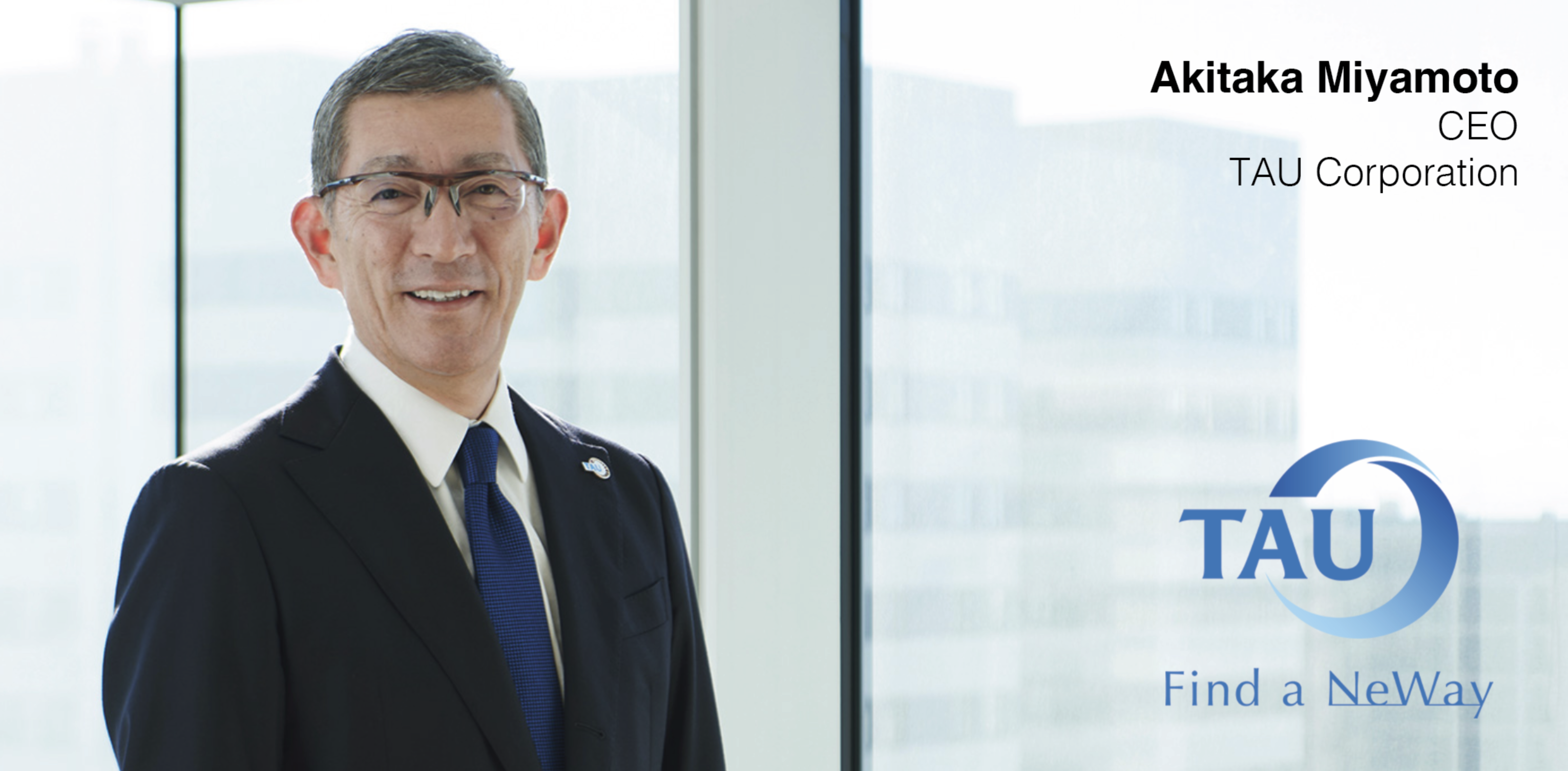
Akitaka Miyamoto, CEO of TAU Corporation, is a firm believer in this. Raised around cars and determined to make his place in the automotive industry, Miyamoto has grown TAU into Japan’s leading exporter of used vehicles. He sees this system as a win-win for all involved. “Depreciation encourages car owners to trade in older vehicles for newer ones, and as a result, many well-maintained Japanese used cars are exported overseas,” he said. “Japanese cars are especially popular in developing markets because of their affordability and reliability. That makes access to high-quality Japanese vehicles even more valuable overseas, creating ideal conditions for used car exporters such as us.”
TAU has built a robust network over the years, handling all aspects of transportation, customs and licensing—an essential task given its presence in over 120 countries. “We deal with all types of vehicles from virtually every manufacturer. In the early days of our business, we focused primarily on the Oceania region, including Australia, exporting popular pickups such as the Toyota Hilux. But today, our reach is much broader,” said Miyamoto.
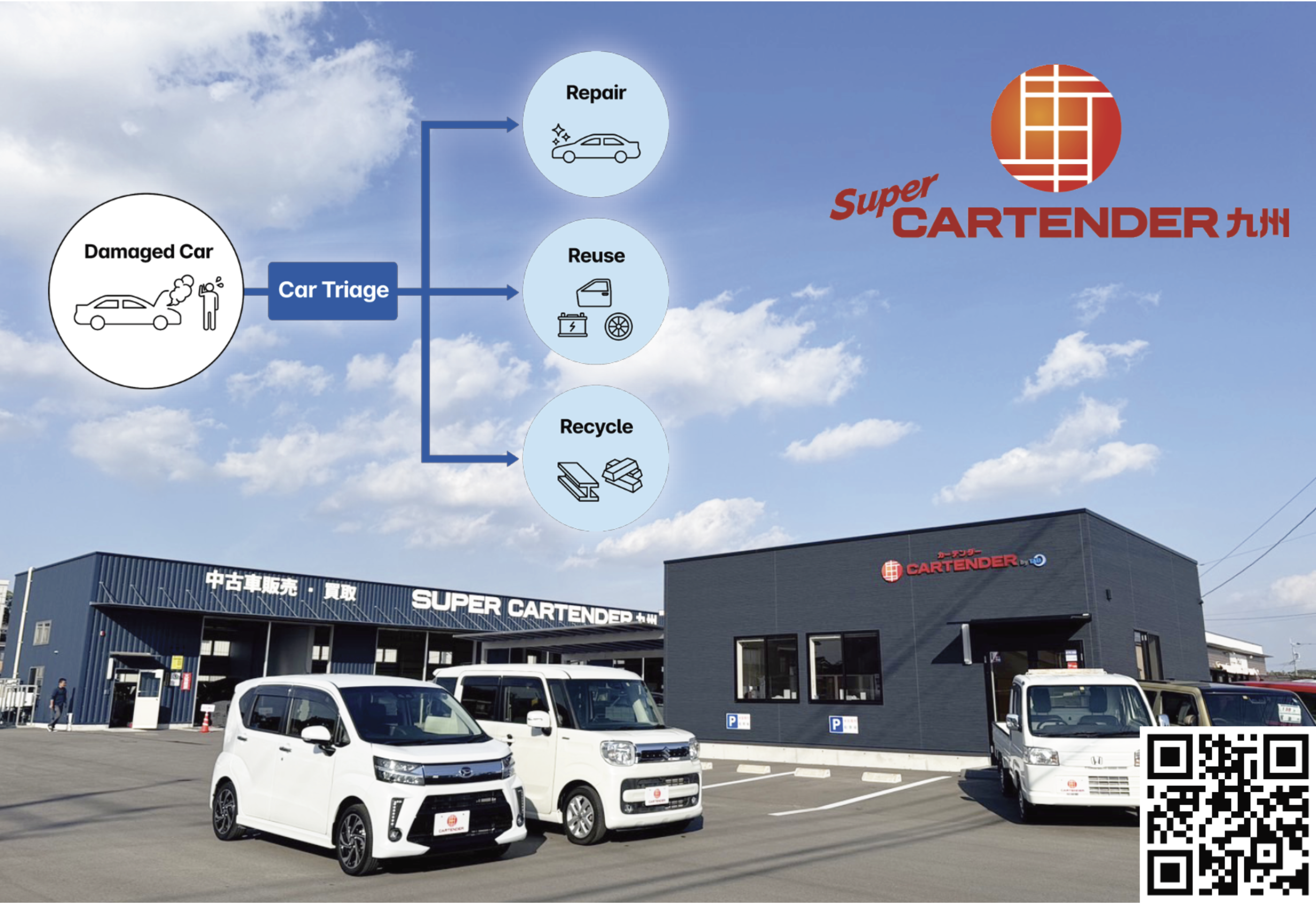
Essential to TAU’s future expansion is their ‘Super Cartender’ complex. Based in the northern area of Kyushu, the center works on dismantling and repairing used vehicles, which Miyamoto believes is essential to reducing the industry’s environmental impact. “I believe the foundation of business is not only about increasing the financial value of a vehicle, but also about how much we can contribute to preserving the planet’s ecosystem,” he said. The sprawling Super Cartender plant creates value by pooling recycled car parts, providing cost savings for consumers and environmental benefits for the planet. In the future, Miyamoto has dreams of expanding this model further afield. “We’re working to grow this initiative nationwide and beyond Japan’s borders to the Philippines, Malaysia and other parts of Southeast Asia,” he said.
“As we work to accelerate our global business in the coming years, we know that simply sending Japanese employees abroad isn’t enough. We cannot achieve our goals alone. We need strong local partners—people with different backgrounds, values, business customs and religious perspectives.” Thinking outside the box has been a constant for Miyamoto throughout his career. With the threat of natural disasters constantly looming over Japan, helaunched the Ethos Cooperative Union in collaboration with local municipalities across the country and construction machinery providers. “Of course, we cannot stop unexpected climate emergencies. However, we aim to accelerate the pace of reconstruction after events like hurricanes and typhoons. The current generation, myself included, must ensure we do not leave a negative legacy for the next,” he said.